Biomechanics: how we turn movement into measurable speed
Every athlete already moves. Biomechanics is how we read that movement, find what is leaking speed, and rebuild it into clean, powerful mechanics.
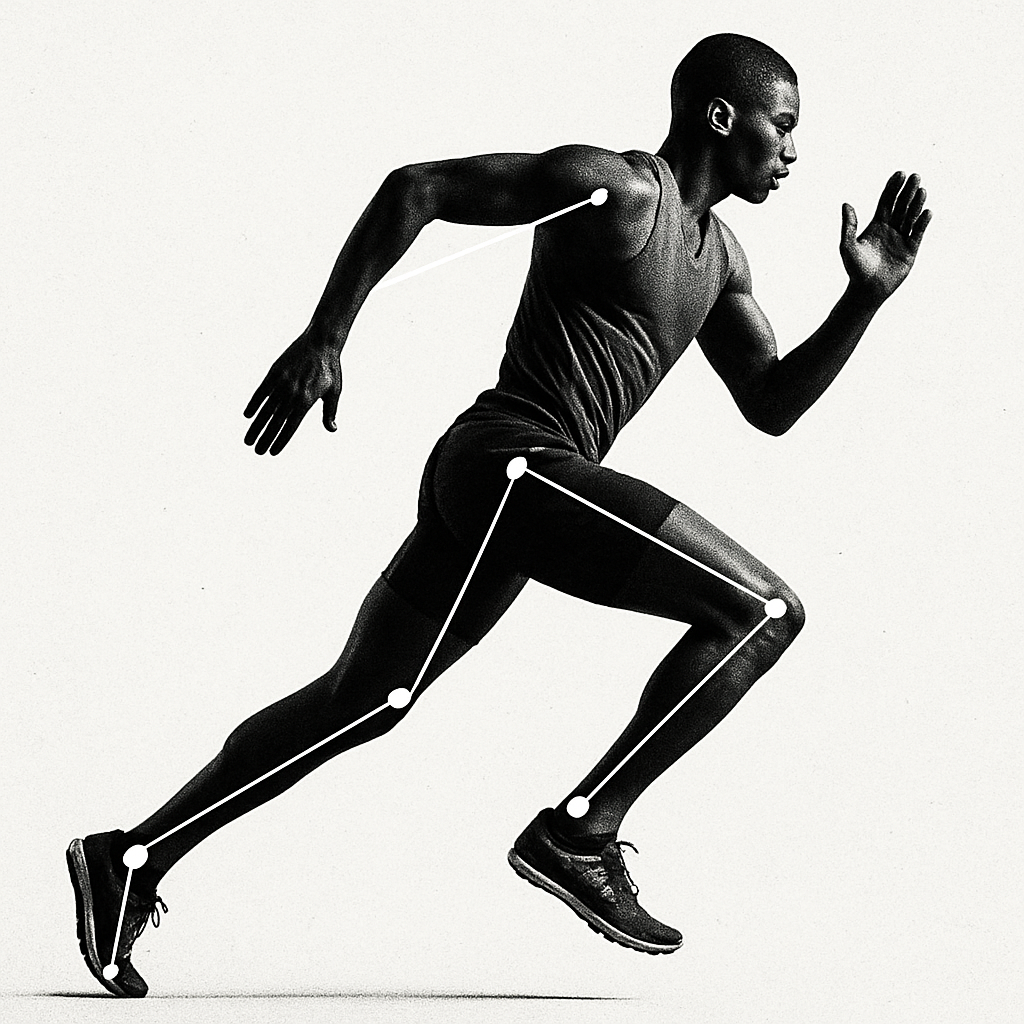
What biomechanics actually means
Biomechanics is the study of how forces move through the body. When an athlete sprints, jumps, or changes direction, they are applying force into the ground and the ground is pushing back. How efficiently that force is produced and redirected is the difference between an athlete who looks fast and one who is fast.
At JL Influence we don't guess. We watch how an athlete's ankles, knees, hips, and trunk work together, then we coach the specific links in that chain that are costing them ground contact, stride length, or power.
Why it matters for young athletes
Most youth athletes have never been taught how to apply force correctly. They run with the engine they were born with, not the one they could build. Small corrections to posture, shin angle, and arm action can unlock speed that was always there.
Because we train mechanics before we chase intensity, athletes get faster without piling on injury risk. Good movement is durable movement.
How Coach Jafar uses it
Training starts with a movement assessment. We look at acceleration posture, top-end mechanics, and how the athlete absorbs and redirects force. From there, every drill has a reason tied to what we saw.
Over a 4-week block, we re-check those same patterns so progress is visible, not just felt.
Key takeaways
- Speed is a force problem before it is an effort problem.
- Clean mechanics reduce injury risk while increasing output.
- We assess, coach, then re-measure inside every training block.
Keep reading
Want this applied to your athlete?
Every athlete starts with a movement assessment, then trains on a plan built around their goals.