Movement science: how athletes actually learn new skills
Getting faster is a learning process. Movement science is how we sequence drills, reps, and feedback so new motor patterns actually stick.
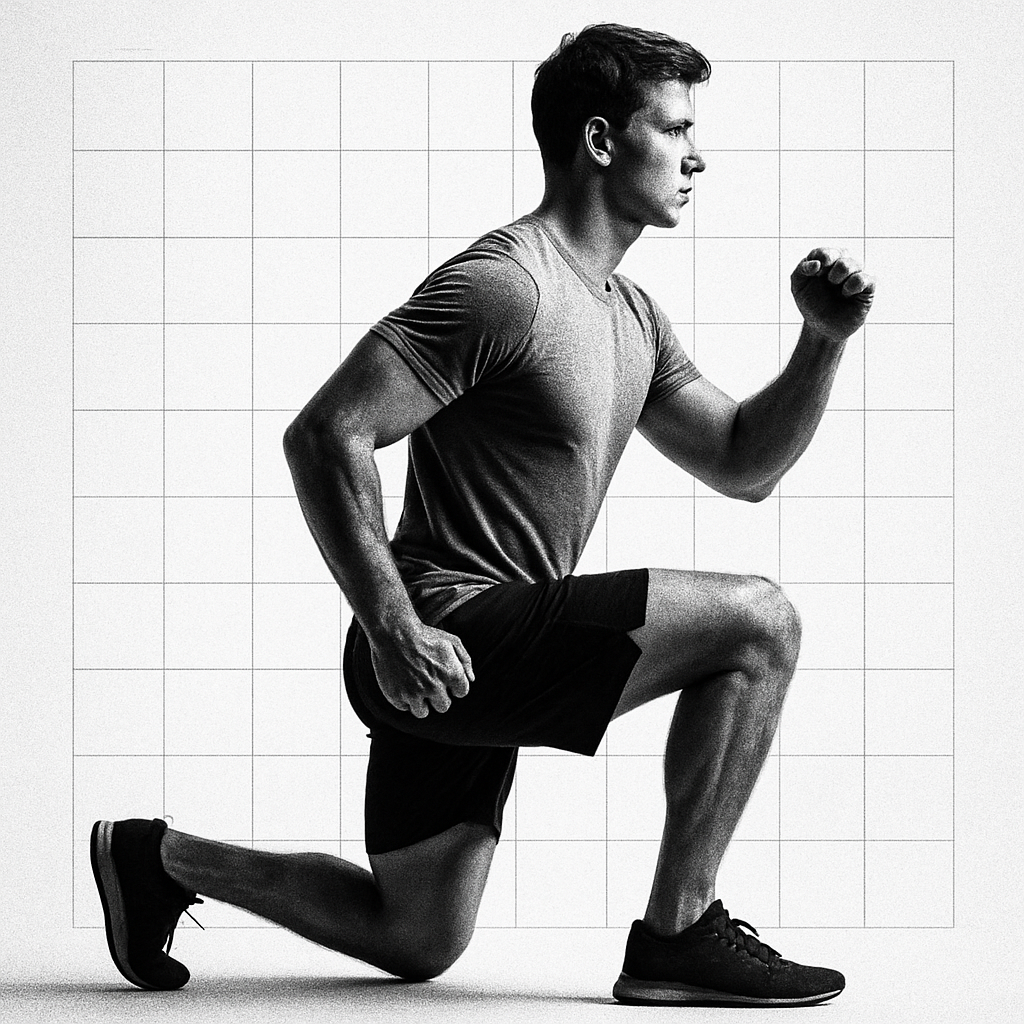
Motor learning, not memorizing
New movement patterns are learned the same way any skill is: through the right reps, the right feedback, and enough repetition for the nervous system to adapt.
We design sessions around how the brain and body actually learn, so improvements become automatic instead of something the athlete has to think about.
Feedback that works
Too much correction overwhelms an athlete. We give targeted, well-timed feedback that points at one thing at a time, then let the athlete feel the difference.
When video is available, athletes can see what we see, which speeds up learning even more.
Long-term athletic development
Movement science also tells us what is appropriate at each age. Young athletes are built up safely and progressively so they are still improving years from now.
Key takeaways
- Speed is a skill, and skills are learned with the right reps and feedback.
- Targeted, well-timed coaching beats constant correction.
- Age-appropriate progression protects long-term development.
Keep reading
Want this applied to your athlete?
Every athlete starts with a movement assessment, then trains on a plan built around their goals.